Is Mara worth repeat visit? The answer depends on what your first trip left unfinished. If you missed a river crossing, lost time in a rushed group itinerary, or never experienced a quiet private conservancy, a second visit can feel like a different park. If your first safari already delivered your main goal, a return may be less compelling.
This guide works through real fees, timing, crowd levels, and the alternatives. The point is not to push you back to the Mara. The point is to help you decide with the same honesty you would get from a guide in the field.
Since the October 2025 fee change, the Masai Mara National Reserve costs USD 100 per adult per day for non-residents from January through June. From July through December, it costs USD 200 per day during the peak migration months. These are county-run fees set by Narok County Government, not KWS fees. That fee alone often shapes the repeat-visit decision.
Is Mara Worth Repeat Visit? The Real Answer
The short answer is yes for some people, no for others. A second visit makes the most sense when the first visit was too short, too hurried, or too focused on one thing. A second visit makes less sense when the first visit already gave you relaxed big cat sightings, a good river crossing, and broad exposure to the Mara landscape.
Ask yourself three questions. Did I miss a specific sight or behavior? Do I want a slower, quieter trip than the National Reserve can give? What would I trade for the time and money? If your first two answers are yes, the Mara is probably worth repeating. If not, another Kenyan park may serve you better.
The Mara is not a one-visit destination for everyone. But it is also not a place you should revisit just because a search result says it is world famous.
Why Repeat Visitors Return to the Mara
The common reasons are reliable, but they are not magic. The Greater Mara has dense resident wildlife, including lion, cheetah, spotted hyena, elephant, buffalo, and large herds of herbivores. These animals are present year round. That is a real reason to return.
A first visit in peak migration season often means following the crowd to the Mara River. You move quickly from one crossing point to the next. A second visit outside the migration gives you time to sit with a lion pride in the Musiara Marsh or the Paradise Plains without the constant pressure to chase the next sighting.
The landscape itself also changes. After short rains, the plains turn green and the distances feel softer. In the dry months, shorter grass makes predators easier to see. Those seasonal changes alter how the same reserve feels.
How Wildlife Sightings Change Between Visits
If your first trip was July through September, you likely spent most of your time near the Mara River. The crossings are dramatic, but they are unpredictable. Some days bring nothing. Some days bring two crossings. A second visit in a different month will not recreate the exact same event.
That is usually a good thing. A February or March visit can show a greener Mara with resident wildebeest, topi, zebra, and new grass that draws females with young. Predator behavior changes too. Cheetahs in the eastern plains sometimes hunt more in open, short-grass areas during the dry season.
If your first visit was built around the Great Migration, a low-season return will feel slower and quieter. That is the appeal for many repeat visitors.
The Great Migration and Whether It Justifies a Return Trip
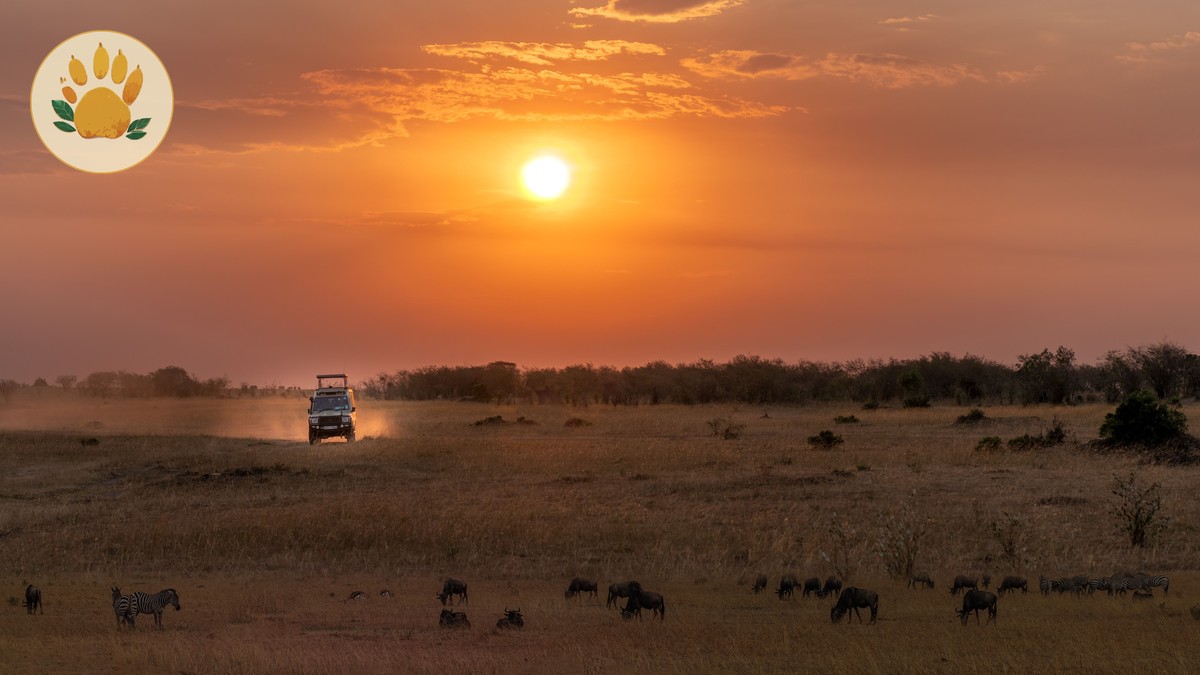
A second trip during the migration is only worth the cost if the first trip missed what you came for. The Mara Reserve fee is USD 200 per day from July through December. That is the highest non-resident reserve fee in the country. Paying that again for a second chance at a river crossing can be rational, but only if a crossing is your specific unfinished goal.
If you already saw a crossing on your first trip, a second peak-season trip may be an expensive rerun. The migration does not guarantee better sightings. It guarantees more vehicles.
If you did not see a crossing, consider staying longer than three days. Crossings rarely happen on a fixed schedule. A four or five night stay in August or September gives you more chances and more patience.
National Reserve Versus Private Conservancies
This is the most important choice for repeat visitors. The Masai Mara National Reserve gives you access to the wide plains and the Mara River crossing points. It also has the highest vehicle density around Talek Gate and the central river sections.
Private conservancies such as Mara North, Naboisho, Olare Motorogi, and Ol Kinyei border the Reserve. They have limited bed numbers, capped vehicle density, night drives, and guided walking safaris. The National Reserve generally does not allow night drives or walks.
If you are weighing the two, read our guide to Masai Mara private conservancies. The short version is this. A repeat visitor who wants less crowding and a slower pace usually benefits from a conservancy stay. A repeat visitor who wants a second chance at river crossings usually needs Reserve access.
Here is a direct comparison. Rates are broad ranges, not fixed quotes.
| Option | Approx drive from Nairobi | Non-resident entry fee | Typical all-inclusive rate per person per night | Crowd level and note |
|---|---|---|---|---|
| Masai Mara National Reserve (Narok County) | 250 km, 5 to 6 hours | USD 100 Jan-Jun; USD 200 Jul-Dec | USD 250 to 600 | Busiest near Talek Gate and river crossings |
| Mara North Conservancy | 260 km, 5.5 to 6.5 hours | Conservancy fee bundled, about USD 80 to 150 per person per night | USD 400 to 900 | Low; night drives and walks allowed |
| Naboisho Conservancy | 255 km, 5.5 to 6.5 hours | Conservancy fee bundled, about USD 80 to 150 per person per night | USD 350 to 800 | Very low; strong for walking safaris |
| Amboseli National Park (KWS) | 230 km, 4 to 5 hours | USD 90 per adult per day | USD 250 to 500 | Medium; clear elephant and Kilimanjaro views |
| Lake Nakuru National Park (KWS) | 165 km, 2.5 to 3 hours | USD 90 per adult per day | USD 180 to 350 | Medium; good for rhino and birding |
The bundled conservancy fee is not cheap. That is what private conservancy fees pay for: fewer vehicles, walking access, night drives, and a sense of space. Still, you pay extra for Reserve entry on any day you drive into the National Reserve.
Crowds, Vehicle Density, and Avoiding the Busiest Areas
Not all parts of the Mara are equally crowded. The eastern sector around Talek and the central Mara River attracts the highest vehicle numbers in August and September. The Mara Triangle in the northwest of the Reserve is managed separately and tends to have fewer vehicles.
If you are staying in a conservancy, you can still access the Reserve for a day trip. You will need to pay the daily Reserve fee. Many repeat visitors choose a mix: three nights in a conservancy for quiet drives and walks, then one or two day trips into the Reserve for specific crossing points or open plains.
Avoiding the busiest areas is not about removing all vehicles. It is about choosing where you start your morning and where you stay overnight.
Best Times of Year for a Second or Repeat Visit
January and February are dry and warm. The grass is shorter, and resident cats are often easier to spot. The Reserve fee is USD 100 per day.
March through May brings rain. Some camps close, roads get muddy, and the landscape turns very green. Prices are usually lower, but the trade-off is real.
June is a shoulder month. The Reserve fee is still USD 100 per day until the end of June. Some crossings can begin near the Sand River, but this is not guaranteed.
July through October is peak migration season. The Reserve fee rises to USD 200 per day. Vehicle numbers rise too. The Mara River crossings draw the crowds, but they remain unpredictable.
November and December are green season months. The Reserve fee remains USD 200 through December, even after the main migration has usually moved back toward the Serengeti. That is an important cost to weigh.
How Much a Repeat Masai Mara Safari Costs
A four-night repeat trip in the National Reserve in a mid-range camp may run between USD 1,000 and USD 2,400 per person excluding Reserve fees. A four-night conservancy stay in Mara North or Naboisho may run between USD 1,600 and USD 3,600 per person with more included.
Add Reserve fees of USD 100 to USD 200 per day for every day you enter the National Reserve. A four-night trip with two Reserve game drives adds USD 200 to USD 400 in reserve fees, depending on season.
The private conservancy fee is usually bundled into the lodge rate. It is roughly USD 80 to 150 per person per night in Mara North and Naboisho. That fee does not include Reserve entry.
When you compare prices, compare the full package, not just the room rate. A cheaper camp can become expensive if transfers, drinks, walks, and Reserve fees are all added separately.
When Another Kenyan Park May Be a Better Choice
If your first Mara trip already delivered a river crossing, relaxed lion and cheetah sightings, and a good feel for the plains, the novelty of a return may be lower than you expect. In that case, another park can add more variety.
Amboseli National Park costs USD 90 per adult per day. The drive from Nairobi is about 230 km, or four to five hours. It offers clear elephant family groups and Kilimanjaro views.
Lake Nakuru National Park costs USD 90 per adult per day. It is about 165 km from Nairobi, a two-and-a-half to three-hour drive. The compact park can be very good for rhino and waterbirds.
Samburu National Reserve is about 320 km north of Nairobi. It has dry-country species you will not see in the Mara, such as reticulated giraffe, Grevy’s zebra, and beisa oryx. Samburu has a separate county-administered fee, so check the current rate before booking.
For a complete change of pace, a day in Kaya Kinondo near Diani or Arabuko-Sokoke Forest near Watamu gives you coastal forest, birds, and cultural history. Forest entry is usually a few hundred shillings with a local guide. That is a different trip from the Mara, but sometimes the right one.
Who Should and Should Not Return to the Mara
Return to the Mara if your first visit was rushed, too short, or too focused on a missed crossing. Return if you want to experience a private conservancy with night drives and walks. Return if you are a photographer who wants low-season light and fewer vehicles.
Do not return only because the Mara is famous. Do not return if the higher July through December fee of USD 200 per day strains your budget. Do not return if your first visit already gave you what you wanted and you are now curious about Samburu, Amboseli, Laikipia, or the coastal forests.
A repeat visit should solve a specific problem from your first trip. If it does not, choose another place.
How Many Days Are Enough for a Repeat Visit
A two-night return is rarely worth it. You lose too much time to the five or six hour drive from Nairobi. A three-night stay works if you know exactly what you want to see.
A four or five night stay is better for most repeat visitors. It gives you time for slow mornings, a conservancy walk, one or two Reserve visits, and waiting out a river crossing. You can start with our guide on how many days to spend in the Masai Mara and adjust for your specific goal.
Final Verdict: When the Mara Is Worth Repeating
The Mara is worth a repeat visit when it offers something your first trip did not. That could be a quiet conservancy, a missed crossing, a specific cat behavior, or low-season light. It is not worth repeating when the fee, the travel time, and the crowds simply buy you the same experience again.
If the first visit was a short, peak-season sprint, a second, slower trip will feel different. If the first visit was already relaxed and gave you your goal, try Amboseli, Samburu, Lake Nakuru, or the coast.
The SafariPure Difference
SafariPure plans around your first trip, not another generic itinerary. Tell us what you already saw and which sightings felt unfinished. We compare the Reserve, the Mara Triangle, and the private conservancies using current fees, real driving times, and honest trade-offs.
If a return to the Mara does not make sense, we will say so. We will suggest Samburu, Amboseli, Laikipia, or a coastal forest instead. That is the whole point of careful safari planning.
Sort Out Your Repeat Visit
If you want help deciding between a second Mara trip and a different park, start with the SafariPure contact page. We will help you weigh the real costs, the timing, and the experience you still want.